Guide
Ghost mannequin, flat lay or on-model: which photos sell clothes
By The AURA Studio team. Published .
Use them for different jobs. Flat lays and ghost mannequin shots give a clean, consistent catalog; on-model photos let shoppers judge fit and length, and Baymard's usability testing found clothing needs at least one image on a person. Controlled studies disagree on which converts better, and none we found measured all three on real sales, so test on your own pages.
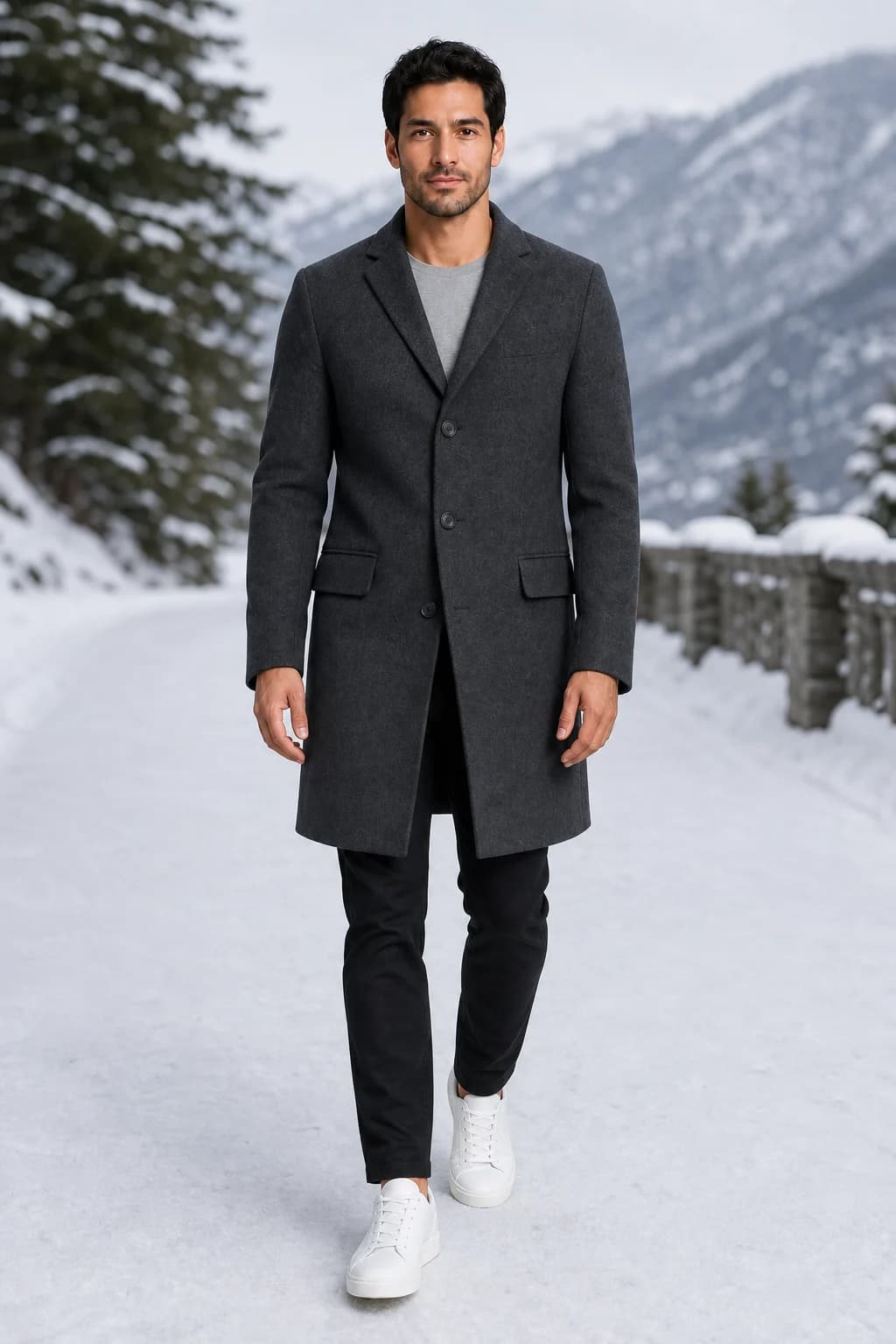
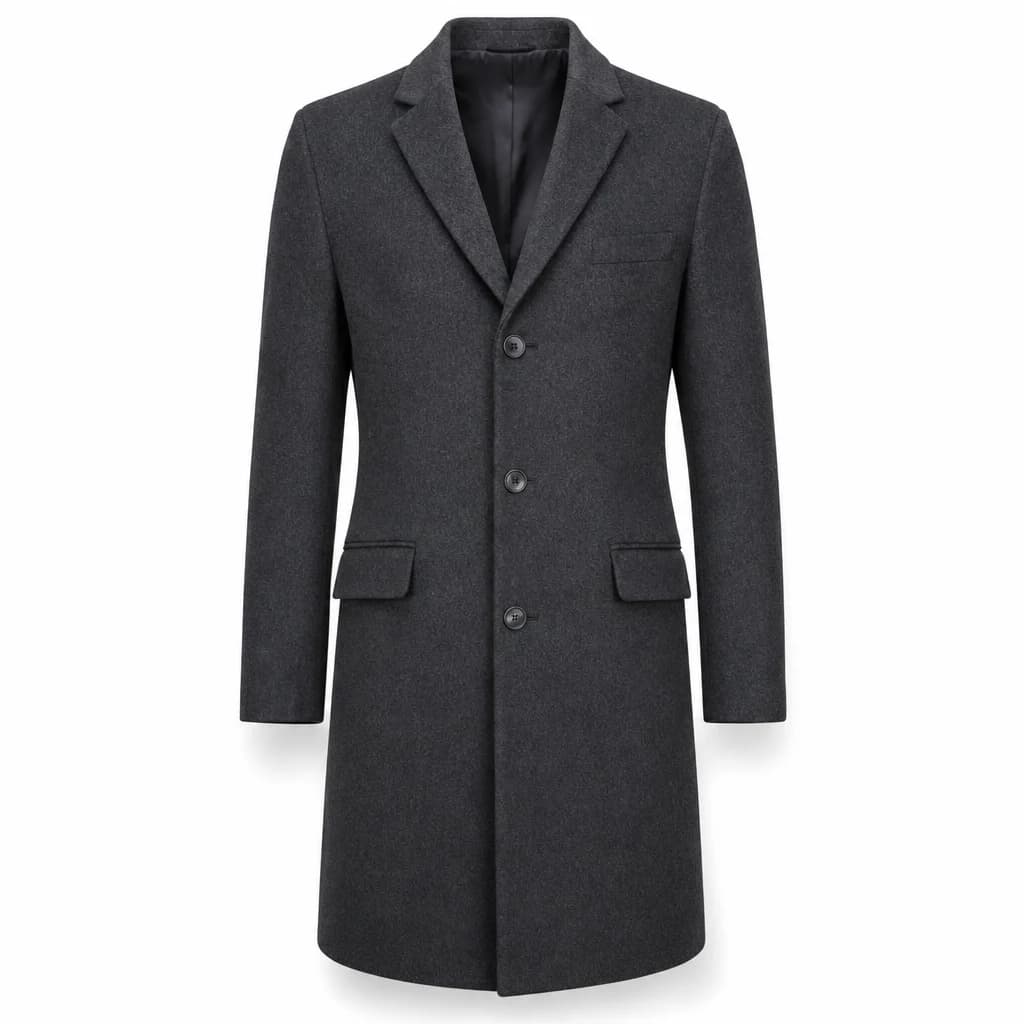
The three formats, side by side
A flat lay is the garment laid flat and shot from above. A ghost mannequin image is shot on a mannequin that is then edited out, so the piece keeps its worn shape. An on-model photo shows it on a person, photographed or generated.
| Flat lay | Ghost mannequin | On-model | |
|---|---|---|---|
| Shows | Colour, print, the whole piece at once | Shape, neckline, how the piece holds its form | Fit, length, drape and scale on a body |
| Hides | Volume, and how it sits on a body | Fit on a real body, length against the legs | Some construction detail, depending on pose and styling |
| Consistency across a catalog | High | High | Only if model, light and crop stay the same |
| Effort per product | Lowest | A mannequin plus editing | Highest with a shoot; lower with AI from a flat lay or ghost image |
| Strongest on | Accessories, basics, kidswear | Category grids, structured pieces | Product pages, social, ads |
What the research actually says
Most numbers quoted on this question come from companies that sell one of the three. The independent evidence is thinner, and it does not name a single winner.
- Usability testing. Baymard Institute's large-scale testing found that worn products, clothing included, "require the context of a human model": without one, shoppers could not judge fit or length and were less likely to go ahead. It recommends at least one plain, unstyled image of the product on a model (Baymard, 2020). This is observed behaviour, not a measured conversion rate.
- An experiment that favours models on product pages. Two studies with a T-shirt (169 and 156 participants) compared flat, mannequin, faceless model and full model pictures. The authors recommend mannequin pictures on category pages, where shoppers compare, and human models on the product page, where they decide, and especially when the product looks less attractive on its own (Bagatini et al., 2023).
- An experiment that favours flat. With 212 participants and a basic shirt, a flat display produced higher purchase intention than a model, with a marginally higher willingness to pay (Zenke and Baek, 2024).
Read together: on-model images matter most where fit and length decide the purchase, and simple pieces can sell perfectly well flat. Both experiments used one basic top in a lab setting, and we found no independent study that compares all three formats on real sales. Treat any single percentage for this comparison with caution unless it links to the study behind it.
Baymard also saw shoppers judge images harshly when they looked cheap, including mannequins and "virtually rendered" models, and advises real human models whenever possible. That applies to AI images too: an on-model photo helps only if it is good enough to be believed.
When the platform decides for you
On Amazon, the rules settle part of the question before taste does.
- Main image, adult clothing
- Shown on a model, standing: not sitting, kneeling, leaning or lying down
- Main image, mannequins
- No visible part of a mannequin, including clear, flesh-toned and framework forms, or a hanger
- Accessories and multipacks
- Flat, without a model
- Children's form-fitting items
- Undergarments, leotards and swimwear lying flat, without models, in every image
- AI-generated people
- Tag photorealistic AI people with the keyword contains-synthetic-performer in the file's XMP metadata
Checked on Amazon product image requirements.
Other marketplaces, Meta and Google have their own rules for AI images. Our marketplace rules guide covers them.
Which format for which job
- Product page: lead with a plain, full-length on-model image, then a flat lay or ghost mannequin of the whole piece, then the back and the details. The on-model shot answers fit; the flat or ghost image shows exactly what arrives in the box.
- Category and collection grids: consistency first. Ghost mannequin or flat lay keeps the grid even. If you use on-model, keep the same model, light and crop on every tile.
- Instagram and TikTok: on-model, and in motion where you can. Flat lays still work as detail slides in a carousel.
- Basics such as plain tees: flat can be enough. That is what the 2024 experiment found for a basic shirt.
- Kidswear, accessories and multipacks: flat. On Amazon, children's form-fitting items must be.
Where AI fits, and what AURA does not do
AI changes the effort row of the table, not the logic. The usual workflow starts from the cheaper formats: you shoot a flat lay or ghost mannequin image once, and an AI tool generates on-model photos from it. The flat or ghost image stays on the product page as the accurate record of the garment; the AI image shows it worn.
AURA Studio, which publishes this guide, makes on-model photos and short clips only. It accepts a flat lay or ghost mannequin image as input but does not produce either as output. WearView and Photta list ghost mannequin tools; our comparison of AI fashion photography tools has the details.
Before you publish an AI on-model image, check it against the real garment (the usual misses) and decide how you will label it (EU labelling guide).
Sources
- Baymard Institute: Provide images of apparel on a human model (2020)
- Bagatini et al.: Embodied mental simulation and attractiveness in e-commerce product pictures, Journal of Research in Interactive Marketing (2023)
- Zenke and Baek: Different types of product presentation in online fashion retailing, Journal of the Korean Society of Clothing and Textiles (2024)
- Amazon Seller Central: Product image requirements
Questions
- Do on-model photos convert better than flat lays?
- Often for pieces where fit decides the sale, not always. Baymard's usability testing found shoppers need a worn image to judge fit and length. Two controlled experiments on basic tops disagree: one recommends human models on product pages, the other found a flat display beat a model for a basic shirt. We found no independent study measuring all three formats on real sales.
- What is a ghost mannequin photo?
- A garment shot on a mannequin that is then edited out, so the piece keeps its worn shape, including the inside of the neckline. It gives a consistent catalog look without a model.
- Can I use ghost mannequin images on Amazon?
- Not as the main image for adult clothing. On 2 October 2026, Amazon required adult clothing in the main image to be shown on a standing model, with no visible part of a mannequin. Children's undergarments, leotards and swimwear must be shown flat, without models, in every image.
- Is flat lay or ghost mannequin better?
- Ghost mannequin shows shape and the neckline in three dimensions, which suits structured pieces like coats and blazers. Flat lay is cheaper and shows the whole piece and its print at once, which is usually enough for knits, tees and accessories.
- Can AI turn a flat lay into an on-model photo?
- Yes. Most AI fashion tools, AURA included, take a flat lay or ghost mannequin image and a model reference and generate the garment worn. Check each result against the real piece before publishing. AURA does not make ghost mannequin images.